
Renting a dumpster for home use can transform how you handle cleanup projects, making the process more efficient and organized. From renovating a kitchen to clearing out years of accumulated clutter, having a dedicated container on-site helps keep debris contained and your property safe. These dumpsters come in various sizes to match the scale of your project, so whether you are dealing with minor remodeling or a major home cleanup, there is an option that fits. Homeowners often underestimate the simplicity that a dumpster rental can bring, but once it is in place, waste disposal becomes almost effortless.
Beyond convenience, renting a dumpster encourages responsible disposal of materials. Instead of scattering debris across the driveway or burdening local trash bins, the rental provides a centralized location to deposit all unwanted items. This not only helps maintain a tidy work area but also ensures that materials are sorted and removed efficiently by professional services. Understanding the types and sizes of dumpsters available is essential before scheduling a rental, as it directly affects both cost and project workflow.
Selecting the Right Dumpster Size
Choosing the correct size dumpster is one of the most important steps in planning a home cleanup. Too small, and you risk overflowing materials that could create hazards or delays. Too large, and you might be paying for unused space unnecessarily. Residential dumpsters typically range from compact options for small cleanouts to large containers designed for extensive renovation debris. The goal is to match the container’s capacity to your project’s scale for an optimal experience.
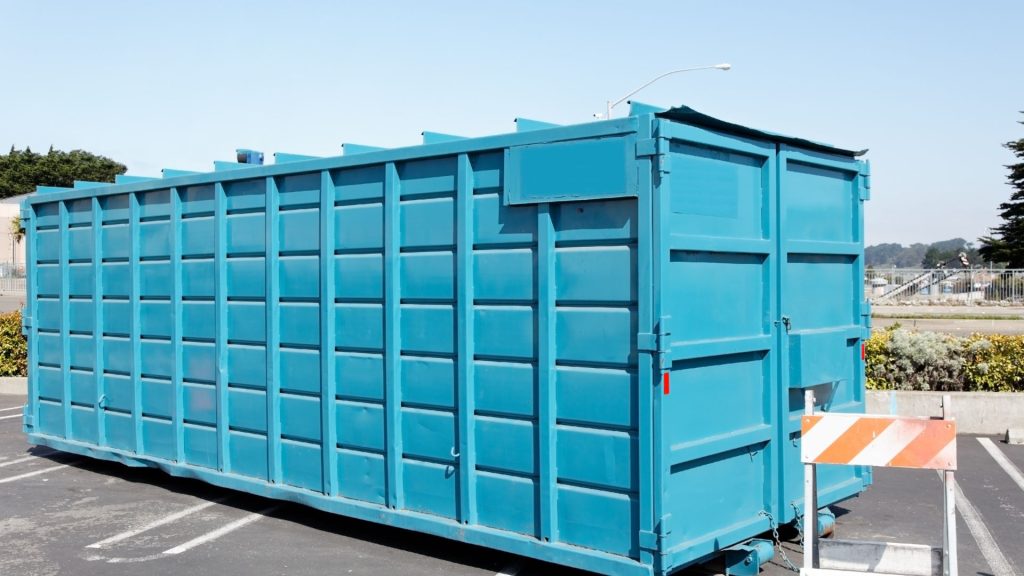
Estimating the volume of waste in advance can save both time and money. Consider the types of items being discarded, such as furniture, construction materials, or yard debris, as well as their approximate quantity. Professionals often suggest erring on the side of a slightly larger container to avoid mid-project complications. Accurate sizing not only streamlines disposal but also prevents the need for multiple trips or additional charges, keeping your project on schedule and within budget.
Planning Your Dumpster Placement
Proper placement of your dumpster is essential for both accessibility and safety. The ideal location is typically near the work area but also allows enough space for the delivery truck to maneuver. Driveways, yards, or even curbside spots are commonly used, but it is important to avoid areas that could obstruct neighbors or emergency access routes. Local regulations may also dictate where dumpsters can be placed, so confirming these details ahead of time ensures a hassle-free setup.
Placement also affects the efficiency of your cleanup project. A conveniently positioned dumpster allows workers to deposit waste quickly, minimizing the time spent carrying debris across long distances. Furthermore, selecting a stable, level surface prevents the container from shifting or tipping, reducing potential hazards. Thoughtful planning ensures that both the delivery and removal of the dumpster proceed smoothly, maintaining project momentum from start to finish.
Understanding Dumpster Rental Costs
Dumpster rental costs vary based on several factors, including size, rental duration, and type of debris. Residential projects often benefit from short-term rental options, which allow homeowners to have a container for just a few days or a weekend. Larger projects may require longer-term rentals, which can increase the overall cost but provide more flexibility for extended cleanouts or remodels.
Being aware of potential additional charges is also crucial. Certain materials, such as hazardous waste or electronics, may incur extra fees due to disposal regulations. Similarly, exceeding the weight limit of a container can result in overage charges. Comparing quotes from different rental services and understanding their pricing structure helps homeowners plan financially while avoiding unexpected expenses.
Benefits of Using a Dumpster Rental
The advantages of renting a dumpster extend beyond simply disposing of waste. It keeps your property organized, reduces safety hazards, and accelerates the cleanup process. Whether removing bulky furniture, construction debris, or yard waste, a dedicated dumpster simplifies collection and disposal. Homeowners often find that projects that would have taken days can be completed in a fraction of the time with a dumpster on-site.
Additionally, dumpster rentals encourage environmentally responsible practices. Many services work with recycling centers or waste management facilities to sort and process materials properly. This minimizes landfill impact and ensures that items such as metal, wood, and cardboard are reused or recycled when possible. Overall, a rental dumpster provides a practical, eco-friendly solution for managing residential waste efficiently.
Scheduling Your Dumpster Rental
Timing is a key factor when renting a dumpster. Aligning the delivery and pickup with your project schedule ensures that debris is removed promptly and avoids cluttering your workspace. Advance scheduling is particularly important during peak seasons when rental services may have limited availability. Planning ahead also allows you to coordinate with contractors, family members, or cleanup crews, optimizing project flow.
Flexibility is another consideration when scheduling. Some services offer weekend or same-week delivery options, accommodating projects that arise unexpectedly. Communicating your needs clearly with the rental company ensures that the dumpster arrives on time and in the correct size. Efficient scheduling prevents delays, reduces stress, and contributes to a smoother overall project experience.
Preparing Your Property for Dumpster Delivery
Before a dumpster arrives, preparing your property can prevent damage and facilitate easier placement. Clear any obstacles from the chosen location, such as vehicles, landscaping, or low-hanging branches. Ensuring a level, stable surface protects driveways, sidewalks, and lawns from dents, scratches, or other damage caused by the heavy container.
Additional preparation includes measuring the space to confirm the dumpster will fit comfortably. Checking for overhead wires or restricted areas ensures safe delivery. Providing a clear path for the delivery truck helps the service place the container precisely where needed. These small steps make a significant difference, minimizing the risk of accidents or property damage during the rental period.
Handling Various Types of Waste
Residential dumpster rentals can accommodate a wide range of materials, but understanding restrictions is essential. Common debris includes furniture, appliances, construction materials, and yard waste. However, hazardous items such as chemicals, paint, and certain electronics may require special disposal methods and cannot be placed in standard dumpsters.
Properly categorizing your waste before loading improves efficiency and compliance with regulations. Segregating materials that require recycling or special handling ensures they are disposed of responsibly. Taking the time to understand what can and cannot go in your dumpster helps avoid fines, reduces environmental impact, and ensures a smoother removal process.
Maximizing Dumpster Efficiency
To get the most out of your rental, consider strategies for efficient loading. Breaking down large items, distributing weight evenly, and filling gaps with smaller debris can increase capacity and reduce the need for multiple containers. Organizing the waste also makes removal easier for the disposal team and keeps your property safer during the cleanup.
Planning the order of disposal is equally helpful. Placing heavier items on the bottom and lighter materials on top prevents shifting and potential hazards. Encouraging everyone involved to follow a systematic approach saves time and energy, allowing your project to progress steadily. Efficient use of the dumpster ensures cost-effectiveness and a smoother workflow throughout the cleanup.
Safety Considerations During Dumpster Use
Safety is paramount when using a dumpster. Properly loading materials, avoiding overfilling, and wearing protective gear help prevent injuries. Homeowners should supervise the site to ensure children or pets stay clear of the area, reducing the risk of accidents. Clear signage or barriers can further enhance safety for visitors and workers alike.
Additionally, being mindful of local regulations regarding placement and weight limits is essential. Overloading or improperly situating a dumpster can result in fines or property damage. Observing safety guidelines ensures a secure, efficient cleanup environment while protecting both your family and the community from potential hazards.
Conclusion
Renting a dumpster for residential projects provides a practical, efficient, and environmentally conscious solution for handling waste. From estimating the right size and scheduling delivery to understanding material restrictions and maintaining safety, homeowners can greatly benefit from thoughtful planning and execution. Proper use of a dumpster streamlines home cleanups, reduces stress, and promotes responsible waste management. By integrating these practices, a seemingly daunting cleanup becomes manageable and organized, giving your home a fresh start without unnecessary complications.
For those in Redlands, CA, seeking professional assistance with dumpster rentals and residential debris removal, Triple G Junk Removal and Demolition offers reliable, timely, and cost-effective services. They can be reached at 909-528-5218 or via email at triplegjunk@outlook.com. Their team ensures that your cleanup project is handled efficiently, with attention to detail and a commitment to customer satisfaction. Whether you are renovating, decluttering, or managing yard waste, this local company provides the support and resources needed to make any home project more manageable and stress-free.
