
Clearing out an office space can be a monumental task. The accumulation of years of paperwork, office furniture, and outdated electronics can quickly create a chaotic environment, making it difficult for employees to work efficiently or for management to plan renovations. Renting a dumpster offers a practical and organized solution, allowing businesses to dispose of large volumes of waste in a centralized, manageable way. A well-chosen dumpster ensures that items are removed safely, space is maximized, and the cleanup process is streamlined. Understanding the different sizes, pickup schedules, and rules for disposal can make a significant difference, particularly when trying to maintain workflow and minimize disruptions in a professional environment.
In Redlands, office owners and property managers have access to reliable dumpster rental services that specialize in commercial cleanouts. These services often provide flexible rental periods, multiple dumpster sizes, and guidance on disposing of materials responsibly, including recycling options. By planning ahead and assessing the volume and type of waste, office cleanouts can become more efficient, environmentally responsible, and cost-effective. Knowing how to coordinate the delivery, placement, and removal of a dumpster can transform what might feel like an overwhelming project into a smooth, well-organized process that benefits everyone involved.
Understanding Your Office Cleanup Needs
Before renting a dumpster, it’s essential to evaluate the scope of your office cleanup. Offices vary greatly in size and complexity, and each requires a tailored approach. Assessing what needs to be removed—whether it’s old furniture, electronics, paper archives, or construction debris—helps determine the correct dumpster size and type. Misjudging the volume of waste can lead to additional costs or delays, so careful planning at this stage is critical. Additionally, understanding the nature of the waste allows you to prepare for proper sorting, recycling, and safe disposal, reducing the environmental impact and ensuring compliance with local regulations.
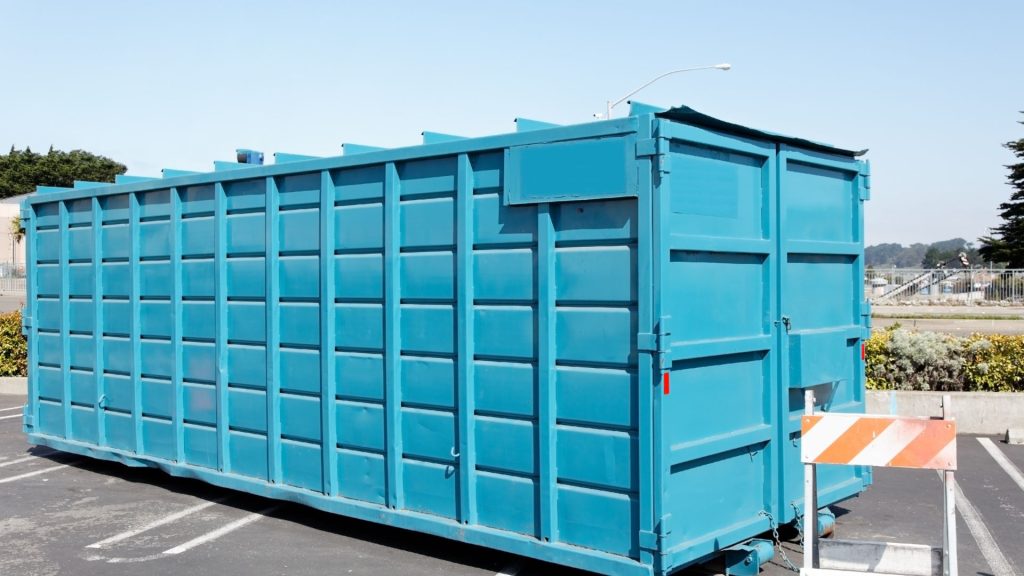
A thorough inventory of items for removal can also highlight opportunities for reuse or donation, reducing the overall waste burden. For instance, working office furniture or electronics may be donated to local charities or repurposed within the company. Once your cleanup needs are mapped out, selecting a dumpster that accommodates both the size and type of waste becomes much easier. This preparation ensures that the dumpster is used efficiently, avoids overfilling, and helps the cleanup proceed on schedule, maintaining productivity in the office without unnecessary interruptions.
Choosing the Right Dumpster Size for Your Office
Selecting the right dumpster size is crucial to a successful office cleanout. Dumpsters come in a variety of capacities, from small roll-off containers ideal for minor decluttering to large units designed for major renovations or full-floor cleanouts. A size that is too small can result in multiple pickups, increasing costs and prolonging the cleanup process, while a size that is too large may be unnecessary and occupy valuable space. Evaluating the volume and type of waste helps determine the most efficient and economical option for your specific office scenario.
In addition to physical capacity, consider the dumpster’s accessibility and placement on your property. Delivery trucks need sufficient space to drop off and pick up the dumpster safely, without interfering with parking, pedestrian pathways, or office operations. Consulting with a local rental service can provide guidance on optimal placement and help anticipate any logistical challenges. By carefully matching the dumpster size to the cleanup requirements, office managers can ensure a smooth, organized process that avoids clutter, keeps the office functional, and makes the most of the rental investment.
Planning the Dumpster Placement and Access
Where the dumpster is placed on your property can significantly impact the efficiency of the cleanup process. Ideally, the container should be positioned close to the areas generating the most waste while remaining accessible to delivery and pickup trucks. Placement considerations include avoiding obstructing parking lots, entrances, or fire lanes and ensuring the surface can support the dumpster’s weight without causing damage. A strategic location minimizes the effort required to transport items to the container and keeps the workspace safe and organized throughout the cleanup.
Access planning also involves coordinating with your rental provider to ensure timing and site readiness. Some dumpsters may require permits if placed on streets or public property, so confirming local regulations is important. By evaluating your property’s layout, anticipating challenges, and preparing for efficient movement of materials, office cleanouts can proceed smoothly. Thoughtful planning of dumpster placement reduces disruptions, saves time, and ensures that employees can continue their work with minimal interference during the disposal process.
Scheduling Delivery and Pickup
Timing plays a crucial role in ensuring a smooth and efficient office cleanout. Coordinating the delivery and pickup of a dumpster involves more than simply booking a container—it requires aligning the rental schedule with the office’s operational needs. Scheduling deliveries during low-traffic periods, such as early mornings, evenings, or weekends, can significantly minimize disruption to employees, clients, and visitors. By strategically timing when the dumpster arrives, you allow staff to continue their daily operations with minimal interference. Additionally, adequate scheduling prevents the need to rush the cleanup, which can often result in safety hazards, disorganized disposal, or incomplete removal of materials. A well-timed delivery ensures that employees have enough time to sort, pack, and deposit items properly, maintaining order throughout the office space.
Clear and consistent communication with the dumpster rental provider is equally important. Confirming specific delivery windows, anticipated pickup dates, and any special requirements—such as restricted access areas or building permits—can prevent misunderstandings and delays. Flexibility in scheduling also allows for unexpected changes, such as an increase in waste volume or adjustments to the office’s daily workflow. By planning ahead and staying in contact with the provider, office managers can adapt to these changes without disrupting operations. A carefully managed delivery and pickup schedule not only streamlines the cleanout process but also promotes productivity, reduces stress on employees, and ensures that the office environment remains safe and organized throughout the project.
Managing Different Types of Waste
Office cleanouts produce a diverse array of waste, from outdated furniture and electronics to confidential documents and construction debris. Managing these materials effectively is essential for maintaining safety, legal compliance, and environmental responsibility. Segregating waste into categories such as recyclable materials, hazardous substances, and general refuse ensures that items are handled appropriately and reduces the risk of contamination or fines. For example, electronics and batteries often contain harmful chemicals that require special disposal methods, while documents containing sensitive information may need shredding before disposal. By planning waste management procedures in advance, office managers can streamline operations, ensure compliance with local regulations, and protect both employees and the environment.
Designating separate collection areas for each type of waste further enhances efficiency and safety. Clear labeling and proper organization allow workers to deposit items quickly and reduce confusion, preventing accidents caused by improper handling. Hazardous materials, in particular, must be isolated from general waste to avoid exposure risks. Additionally, training staff on correct disposal procedures fosters a culture of safety and responsibility during the cleanout. Overall, careful management of diverse waste types not only ensures a safer workplace but also contributes to environmental sustainability. A well-organized approach reduces the potential for mistakes, improves cleanup efficiency, and supports a more professional and compliant office cleanout process.
Cost Considerations for Dumpster Rentals
Budgeting for a dumpster rental is a critical aspect of any office cleanout, as costs can vary significantly depending on factors such as container size, rental duration, weight limits, and additional services. Understanding these cost components allows office managers to plan effectively and avoid unexpected expenses. For example, exceeding the weight limit on a dumpster can result in substantial surcharge fees, while requesting disposal of special or hazardous materials may incur additional charges. By estimating the volume and type of waste in advance and discussing these details with the rental provider, businesses can select a dumpster that meets their needs while staying within budget. Planning ahead also helps in comparing pricing options, whether providers offer flat rates or tiered pricing structures, to maximize value without compromising quality.
In addition to selecting the right size and pricing model, incorporating flexibility into the budget can prevent financial surprises. Unexpected increases in waste volume, extended rental periods, or additional pickups are common during office cleanouts. Allocating extra funds for these contingencies ensures the project can proceed smoothly without financial stress. Maintaining a transparent dialogue with the dumpster rental company about all potential costs, including delivery, pickup, and disposal fees, further reduces the likelihood of unexpected charges. By carefully evaluating costs and planning accordingly, office managers can achieve a cost-effective and efficient cleanout that maintains compliance, supports environmental responsibility, and ensures a professional outcome without compromising financial resources.
Safety Precautions During Office Cleanouts
Safety should always be a top priority during office cleanouts, as the process often involves moving heavy furniture, handling sharp objects, and disposing of potentially hazardous items. Proper safety equipment, including gloves, protective footwear, back supports, and lifting aids, is essential to prevent injuries and maintain compliance with workplace safety regulations. Clear pathways to the dumpster and properly stacked materials further reduce the risk of accidents, ensuring that employees and contractors can work efficiently without hazards. Additionally, providing staff with training or guidance on safe lifting techniques, handling electronic equipment, or managing hazardous substances fosters a proactive safety culture throughout the cleanup.
Proper labeling and separation of hazardous materials are also critical components of a safe office cleanout. Items such as chemicals, batteries, or electronics should be stored in designated areas to prevent accidental exposure or contamination. Keeping the workspace organized, well-lit, and free of clutter not only protects employees but also supports a smoother disposal process. Office managers who prioritize safety create an environment where tasks can be completed efficiently and responsibly, minimizing downtime caused by accidents or injuries. Overall, maintaining rigorous safety standards throughout the cleanout ensures the well-being of staff, protects the environment, and contributes to a more orderly and successful office cleanup.
Tips for Efficient Loading and Organization
Loading a dumpster efficiently requires planning and coordination. Distributing weight evenly, breaking down large items, and stacking materials strategically maximize space and reduce the need for multiple trips. Keeping pathways clear and organizing waste by type can also streamline the process and reduce time spent during the cleanup.
Encouraging teamwork and clear communication among staff ensures that everyone understands their role in loading and disposing of items. By approaching the process methodically and avoiding haphazard dumping, office cleanouts can be completed more quickly, with less strain on employees and minimal disruption to normal operations. Organized loading helps maintain a safe workspace while maximizing the efficiency of the dumpster rental.
Preparing for Unexpected Challenges
Even with thorough planning, office cleanouts can encounter unexpected challenges. Unanticipated volumes of waste, last-minute furniture removal, or unexpected building constraints can disrupt schedules. Being prepared for these situations ensures that the project continues smoothly without significant delays or cost overruns.
Flexibility and communication are key to managing unforeseen issues. Maintaining contact with the dumpster rental provider and having contingency plans, such as temporary storage or additional pickups, can prevent minor setbacks from becoming major obstacles. Being proactive and adaptable allows office cleanouts to stay on track, completing the project efficiently and effectively despite the inevitable surprises that can arise.
Eco-Friendly Disposal Practices
In today’s environmentally conscious world, considering eco-friendly disposal methods during an office cleanout is more important than ever. Recycling electronics, reusing furniture, and properly sorting paper and cardboard can significantly reduce your office’s environmental footprint. Many dumpster rental services offer guidance and support for sustainable disposal practices, helping businesses meet regulatory requirements while minimizing waste.
Additionally, choosing environmentally responsible options benefits your company’s public image and demonstrates a commitment to sustainability. Implementing thoughtful disposal strategies can reduce landfill contributions, conserve resources, and create a cleaner, safer workplace. By incorporating eco-friendly practices into your cleanup plan, offices can dispose of waste responsibly while supporting broader environmental goals.
Conclusion
Renting a dumpster for an office cleanout in Redlands is a practical, efficient, and cost-effective solution for managing large volumes of waste. From evaluating your cleanup needs and choosing the appropriate dumpster size to planning placement, scheduling pickup, and managing diverse types of waste, careful preparation ensures a smooth and successful project. Prioritizing safety, efficiency, and eco-friendly practices enhances the overall process, helping offices remain organized while minimizing environmental impact. The right approach allows businesses to complete cleanouts quickly and effectively, reducing disruption to daily operations and supporting a productive workspace.
For businesses in Redlands seeking reliable dumpster rental services, Triple G Junk Removal and Demolition offers tailored solutions designed to meet the unique demands of office cleanouts. With extensive experience in managing commercial waste, their team provides guidance on selecting the proper dumpster, scheduling convenient delivery and pickup, and ensuring safe, environmentally responsible disposal. Contact Triple G Junk Removal and Demolition at 909-528-5218 or via email at triplegjunk@outlook.com to simplify your office cleanup and experience a professional, hassle-free service designed to make your project as seamless as possible.
