
Tree and branch removal can transform your outdoor space from chaotic to serene, but it also leaves behind a significant volume of debris that can overwhelm your regular trash disposal options. Renting a dumpster provides a convenient and efficient solution to manage the waste generated during such projects. Selecting the right dumpster ensures that your yard remains safe, clean, and organized while you focus on the physical work of pruning, cutting, or removing unwanted trees. The process begins with understanding the scope of your project, including the types and amount of tree debris you anticipate. This initial assessment allows you to choose a dumpster size that accommodates branches, leaves, and logs without overloading, making the cleanup process smoother and more efficient. By addressing waste management from the start, you prevent delays, reduce safety hazards, and streamline the entire tree removal project.
Once you have a clear idea of your disposal needs, finding a reputable dumpster rental service is the next step. Reliable providers offer flexible rental periods, prompt delivery, and guidance on what materials are permissible, ensuring your project complies with local regulations. With a dumpster on-site, you avoid multiple trips to landfills and curbside pickup restrictions. The convenience of having a designated space for debris allows you to maintain momentum during your work, keeping the yard clean and minimizing the risk of accidents. Renting a dumpster is not merely a practical solution but an investment in efficiency, safety, and peace of mind while handling tree and branch removal.
Choosing the Right Dumpster Size for Tree Debris
Selecting the proper dumpster size for tree and branch removal is crucial to avoid unnecessary costs or logistical challenges. Smaller dumpsters may seem economical but can quickly become overloaded, forcing multiple pickups or illegal overfilling. Larger dumpsters provide ample space for bulky branches, logs, and tree stumps, reducing the stress of constant disposal management. Considering the type and quantity of debris, as well as the method of cutting or stacking branches, helps determine the appropriate container size. Consulting with the rental company can clarify the best fit for your specific needs, including considerations for weight restrictions and potential extra fees. Choosing wisely ensures the project flows smoothly, prevents hazards, and keeps your outdoor space organized.
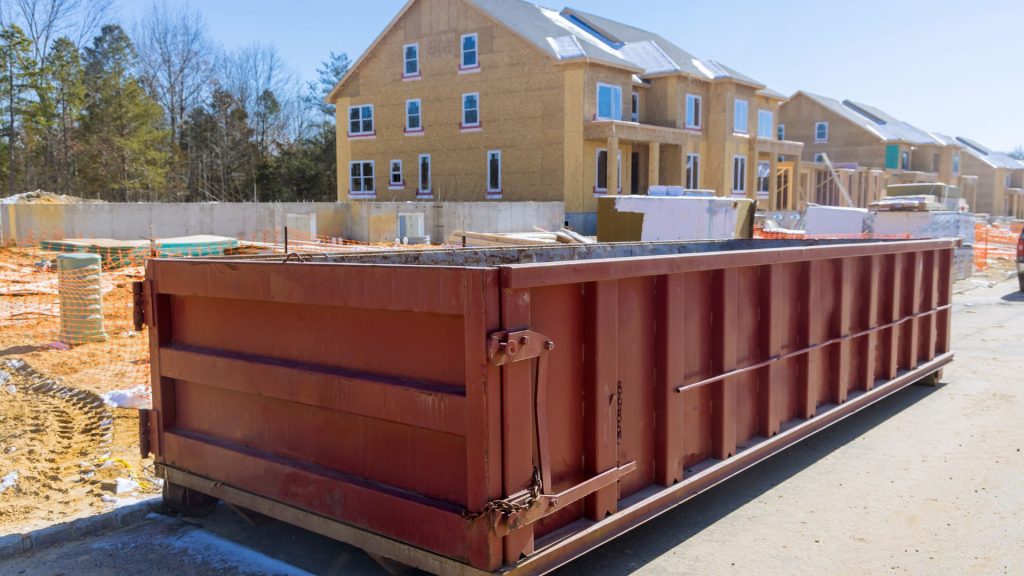
In addition to size, the dumpster’s accessibility is important. Placing the container in a location that allows easy loading without obstructing driveways, walkways, or landscaping helps maximize efficiency. Flat, stable surfaces prevent tipping or damage to the container and surrounding areas. Proper placement also facilitates the use of machinery, such as wheelbarrows or small lifts, to transport heavy tree limbs into the dumpster. By carefully evaluating both size and placement, you create a safer, more organized work environment and avoid last-minute complications during your tree removal project.
Preparing Your Yard Before Dumpster Delivery
Before the dumpster arrives, preparing the yard can significantly improve the efficiency of tree and branch removal. Clearing pathways, trimming surrounding vegetation, and identifying the areas where debris will accumulate prevents damage and facilitates faster loading. Ensuring the placement spot is level and unobstructed protects your driveway, lawn, or patio surfaces from scratches or dents caused by the heavy container. Planning the layout in advance also allows workers to move debris more safely and minimizes disruptions to other outdoor activities. A well-prepared yard sets the stage for an organized and manageable cleanup process.
It is also important to consider accessibility for the delivery truck. Trees, fences, and vehicles can obstruct the dumpster’s placement if not accounted for ahead of time. Communicating any potential obstacles to the rental company helps avoid delays or additional fees. Preparing the yard includes not only physical arrangements but also mental planning for how debris will be collected and loaded. By organizing tools, equipment, and manpower before the dumpster arrives, you create a seamless workflow that saves time and energy, turning what could be a chaotic project into a structured and controlled operation.
Understanding Local Regulations for Tree Waste Disposal
Tree and branch removal often involves more than just physical effort; it also requires awareness of local disposal regulations. Certain municipalities restrict the types of organic material accepted at landfills or recycling facilities, and some may have specific rules for tree limbs, stumps, and brush. Knowing these rules in advance prevents fines, rejected pickups, or illegal dumping. Dumpster rental services often provide guidance on what is permissible and how to safely and legally dispose of tree debris. Compliance ensures your project stays on track and protects the environment by preventing improper disposal.
Local regulations may also dictate how much weight or volume your dumpster can handle. Exceeding limits can result in additional charges or refusal to haul the container. Some areas may require permits if the dumpster is placed on a public street or sidewalk, and advance coordination with the rental company helps navigate these requirements. Understanding the rules allows you to plan accordingly, ensuring your tree removal process is efficient, legal, and environmentally responsible. This knowledge empowers homeowners and professionals alike to manage waste effectively without unexpected interruptions.
Scheduling Dumpster Delivery and Pickup
Efficient scheduling of dumpster delivery and pickup is essential to maintain momentum during a tree and branch removal project. Coordinating the arrival time to align with your work schedule prevents idle periods and ensures the container is available when needed. Rental companies typically offer flexible time frames, allowing you to extend or shorten the rental period based on the complexity of your project. Confirming delivery details, including accessibility and placement, reduces stress and guarantees a smooth operation from start to finish.
Timely pickup is equally important. Once the dumpster is filled, arranging prompt removal prevents clutter, safety hazards, and obstruction of driveways or pathways. Some services offer same-day or next-day pickups for added convenience. Clear communication with the rental provider about your project timeline helps avoid overlapping schedules or extended fees. By managing delivery and pickup effectively, you maintain a clean, safe workspace and minimize downtime during the tree and branch removal process, keeping the focus on the task at hand.
Loading the Dumpster Efficiently
Properly loading a dumpster during tree and branch removal maximizes capacity and prevents overfilling. Breaking branches into manageable sizes allows for better stacking and utilization of space. Placing heavier materials, such as logs and stumps, at the bottom while layering lighter debris on top maintains balance and reduces the risk of tipping. Efficient loading ensures you get the most out of the rental container, potentially saving money by reducing the need for additional pickups.
Safety is a critical aspect of loading. Using gloves, safety glasses, and proper lifting techniques prevents injuries when handling large or awkward tree limbs. Keeping pathways clear and using wheelbarrows or carts to transport heavy debris reduces strain and speeds up the process. By combining thoughtful organization with safety precautions, you create a more productive workflow that allows your tree removal project to progress smoothly while protecting both people and property.
Handling Large Tree Stumps and Logs
Large tree stumps and logs present unique challenges in debris removal. These materials are heavy, bulky, and often require specialized tools for cutting and transportation. Preparing for these obstacles by segmenting logs, using wedges or saws, and enlisting help when needed ensures the dumpster can accommodate the load safely. Attempting to force oversized items into the container can cause damage to the dumpster or pose safety risks, so proper planning is essential.
In addition, understanding weight limits for dumpsters helps prevent overloading fees. Some rental services offer reinforced containers or specialized equipment to handle dense, heavy tree parts. Incorporating these considerations into your workflow ensures your project remains efficient, safe, and compliant with rental terms. Addressing large stumps and logs methodically reduces the stress and complexity of tree removal, making the process manageable even for substantial landscaping tasks.
Managing Yard Debris Beyond Tree Branches
Tree and branch removal often uncovers other yard debris, such as leaves, shrubs, or old garden waste. Including these materials in the dumpster simplifies cleanup and reduces the need for multiple disposal methods. Assessing all types of debris during the planning stage ensures the container is appropriately sized and avoids overflow. Combining tree waste with general yard cleanup helps maintain a cleaner, safer, and more organized property.
Sorting materials before placing them in the dumpster can also improve efficiency. Separating recyclable branches from non-organic debris or compostable leaves allows for easier disposal at facilities that accept specific waste types. Planning for this step avoids last-minute surprises and ensures compliance with local regulations. Managing all forms of yard debris together enhances the overall effectiveness of your cleanup project while keeping your outdoor space orderly throughout the process.
Maintaining Safety During Dumpster Use
Safety is a paramount concern when handling tree and branch removal debris. Properly positioning the dumpster, maintaining clear loading areas, and using protective equipment are essential to prevent accidents. Overhanging branches or unstable piles can pose hazards if not managed carefully. Ensuring all participants are aware of potential risks and follow safety protocols reduces the likelihood of injuries and property damage.
It is also important to handle sharp tools and heavy materials cautiously. Using hand tools, saws, and axes with proper technique, and ensuring the dumpster remains stationary during loading, maintains a secure environment. Clear communication among workers and maintaining a tidy workspace around the dumpster prevents mishaps. Prioritizing safety while using a dumpster ensures that tree and branch removal projects proceed efficiently without compromising the wellbeing of those involved.
Reducing Environmental Impact with Proper Disposal
Tree and branch removal generates significant organic waste, but proper disposal can reduce environmental impact. Many rental services partner with recycling or composting facilities that accept tree debris, minimizing landfill contributions. Sorting materials to separate biodegradable branches from non-recyclable waste ensures environmentally responsible disposal practices. Understanding disposal options ahead of time promotes sustainable project management and protects natural resources.
Choosing eco-friendly disposal methods not only benefits the environment but also supports regulatory compliance. Avoiding illegal dumping and participating in organized recycling programs preserves the community’s green spaces and aligns with responsible landscaping practices. By considering environmental impact, you create a cleanup process that is both effective and conscientious, demonstrating care for your property and the surrounding ecosystem.
Planning for Seasonal Tree Removal Projects
Seasonal changes often dictate when tree and branch removal is most practical. Winter storms, spring growth, and autumn shedding can all affect the volume and type of debris generated. Planning dumpster rentals around these cycles ensures you have the necessary capacity and timing for efficient cleanup. Awareness of seasonal demands also helps secure rental containers when availability may fluctuate, preventing last-minute delays.
Additionally, seasonal planning allows for better coordination of manpower, tools, and workflow. Anticipating periods of heavy debris collection helps in allocating resources efficiently and maintaining safe working conditions. Understanding seasonal trends also guides decisions on disposal methods, as certain facilities may have limited acceptance windows for specific organic waste. Proper planning ensures that your tree removal project remains effective, organized, and environmentally responsible throughout the year.
Conclusion
Renting a dumpster for tree and branch removal is a strategic approach that combines efficiency, safety, and convenience. It simplifies the process of managing large volumes of debris while maintaining a clean and organized outdoor space. Selecting the right dumpster size, preparing your yard, understanding local regulations, and scheduling deliveries with precision ensures that your project proceeds without unnecessary complications. Proper loading techniques, attention to safety, and consideration for environmental impact all contribute to a smooth, successful tree removal process. Efficient management of yard debris prevents hazards and reduces stress, allowing homeowners or contractors to focus on the physical aspects of their project.
For residents and businesses in Redlands, CA, Triple G Junk Removal and Demolition provides professional dumpster rental services tailored to tree and branch removal projects. Their team offers guidance on container selection, delivery logistics, and debris disposal options to streamline cleanup efforts. With flexible scheduling, attentive service, and a focus on safety and compliance, Triple G Junk Removal and Demolition ensures that every project is handled efficiently. Contact them at 909-528-5218 or via email at triplegjunk@outlook.com to arrange a dumpster rental and make your tree removal project simpler, safer, and more organized.
