
Large-scale cleanup projects often come with a mountain of debris that can overwhelm even the most prepared property owners. Renting a dumpster simplifies the process by providing a centralized place to deposit waste, eliminating the constant trips to landfills or transfer stations. Choosing the right size dumpster can make a significant difference in efficiency, allowing you to match the container to the volume and type of material you need to dispose of. Knowing what can and cannot go into the dumpster ahead of time prevents unnecessary delays and fees, making your project smoother and more predictable.
Preparation is the first step toward an organized cleanup. Mapping out where the dumpster will be placed ensures that it does not obstruct traffic or create hazards on your property. Accessibility is crucial, as the dumpster needs to accommodate the type of debris and the machinery or manual labor used for loading. Proper planning saves time, reduces risk, and maximizes productivity during the cleanup. With a clear understanding of these basic logistics, property owners can approach large-scale projects with confidence and control.
Choosing the Right Size Dumpster
Selecting the appropriate dumpster size is a critical decision for any cleanup project. Too small, and it will fill up quickly, forcing multiple pickups and extending the project timeline. Too large, and you could end up paying for unused space, increasing costs unnecessarily. Understanding the volume of your project—whether it involves construction debris, yard waste, or household junk—helps determine the optimal container. Many rental companies offer guidance and flexible options, allowing you to adjust your choice as your project evolves.
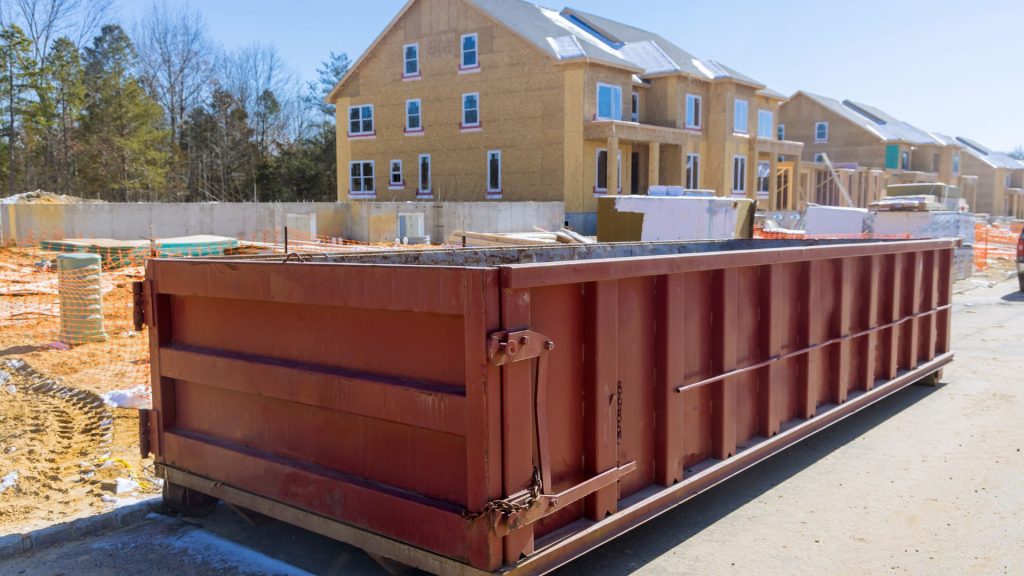
The type of debris also influences the size needed. Heavy materials such as concrete or bricks require different handling than lighter items like cardboard or household furniture. By accounting for both weight and volume, you can prevent overloading, which can result in additional charges or safety hazards. Proper sizing streamlines the cleanup process, ensures compliance with disposal regulations, and makes the rental experience more efficient and cost-effective, providing peace of mind throughout the project.
Planning the Dumpster Placement
Where you place your dumpster affects not only efficiency but also safety during the cleanup. It should be located on a flat, stable surface that can support its weight, and avoid areas prone to mud or flooding. Consider proximity to the work area to minimize the effort required to transport debris, while still adhering to any local ordinances or HOA rules regarding dumpster placement. Ensuring adequate clearance for vehicles and equipment helps prevent accidents and damage.
Beyond practicality, strategic placement also minimizes disruption. Placing the dumpster in a discreet but accessible location maintains curb appeal and reduces visual clutter, which can be important in residential areas. Planning placement in advance allows you to coordinate with city or property regulations, avoiding potential fines or delays. Thoughtful consideration of location makes the entire cleanup process smoother, faster, and safer for everyone involved.
Scheduling and Timing Considerations
Timing is one of the most crucial factors in managing large-scale cleanup or construction projects. Properly scheduling your dumpster rental to align with your workflow ensures that waste removal happens smoothly and efficiently. When debris accumulates faster than expected, it can cause delays, limit workspace, and increase safety hazards. By arranging for the dumpster’s delivery before peak work periods, teams can maintain an uninterrupted pace, disposing of materials as they go. Many rental companies offer flexible scheduling options that allow you to adjust delivery and pickup times as your project evolves. This flexibility eliminates downtime and ensures that labor resources are used effectively, helping your team stay productive and focused on their core tasks.
Understanding your project’s duration and estimating how long the dumpster will be needed also play key roles in maintaining efficiency. Underestimating the rental period may lead to overbooked schedules, late pickups, or the need for additional containers—all of which can increase costs. Projects with fluctuating workloads may require longer rental durations or multiple dumpsters delivered at different phases. Planning ahead and aligning dumpster service with major project milestones ensures that debris is cleared on time, keeping the workspace safe and organized. Anticipating these timing needs promotes a seamless cleanup process, prevents unexpected delays, and contributes to an overall more productive and cost-effective project execution.
Understanding Weight Limits and Material Restrictions
Each dumpster rental comes with specific weight limits and material guidelines designed to ensure safety, environmental compliance, and cost efficiency. Overloading a dumpster can lead to additional charges, mechanical damage, or even refusal of service during pickup. Similarly, certain materials—such as hazardous chemicals, batteries, paint, and electronic waste—are restricted because they require specialized handling. Knowing these limitations beforehand allows project managers to plan accordingly, ensuring that only approved items are placed in the container. This awareness not only prevents fines and service interruptions but also promotes safer and more responsible waste disposal practices that comply with local regulations.
Sorting waste before loading it into the dumpster is an effective strategy to maximize efficiency and maintain compliance. Separating recyclable materials such as metal, wood, and concrete from general debris helps reduce environmental impact while simplifying the recycling process. In addition, properly distributing heavy and light materials prevents uneven weight distribution that could pose safety risks during transport. Taking time to understand weight limits and material restrictions contributes to a smoother operation by preventing unexpected issues and ensuring your dumpster is used to its full potential. Thoughtful planning and adherence to regulations create a safer, cleaner, and more sustainable project environment while avoiding costly disruptions.
Cost Factors and Budgeting
Effective budgeting is essential when planning for a dumpster rental, as costs can vary depending on factors like container size, rental duration, debris weight, and project location. Understanding these variables upfront helps avoid financial surprises and keeps your project within budget. Most dumpster rental companies provide transparent pricing structures that include delivery, pickup, and disposal fees, offering a clear overview of total expenses. Comparing quotes from multiple providers can also help you identify the best combination of price and service quality. Selecting the right size and rental duration ensures you pay only for what you need, optimizing both cost and convenience.
Budgeting also involves accounting for unexpected developments during the cleanup process. As projects progress, new waste materials or unforeseen complications may arise, potentially requiring an additional dumpster or an extended rental period. To maintain financial control, it’s wise to include a contingency fund within your cleanup budget. Monitoring dumpster usage throughout the project allows for timely adjustments before issues escalate into extra costs. By taking a proactive approach to financial planning, you can minimize stress, prevent overspending, and ensure that cleanup operations proceed efficiently. Thoughtful cost management not only safeguards your budget but also supports smoother logistics and stronger overall project performance.
Efficient Loading Techniques
The way debris is loaded into a dumpster plays a crucial role in both safety and efficiency on a construction site. Properly distributing weight across the container helps maintain balance, preventing tipping or uneven loads that can cause accidents during transport. Breaking down bulky materials such as furniture, concrete slabs, or drywall pieces before disposal allows for better space utilization and helps fit more debris within the dumpster’s limits. Stacking materials neatly and compactly ensures maximum capacity use, reducing the need for extra pickups or additional containers. Workers should also use proper lifting methods, including bending at the knees and wearing protective gear such as gloves and boots, to minimize the risk of strain or injury while handling heavy or sharp materials. A well-organized loading strategy saves time, enhances safety, and helps the entire team work more effectively.
In addition to optimizing space and safety, organizing debris by type while loading significantly improves cleanup efficiency. Sorting recyclable materials—such as wood, metal, and concrete—into designated areas before disposal allows for easier recycling and ensures compliance with disposal guidelines. Keeping clear access routes around the dumpster helps workers move freely and load waste without obstruction, minimizing accidents and maintaining order on-site. By following efficient loading techniques, construction teams can reduce delays, increase productivity, and maintain a cleaner work environment. Thoughtful planning in how the dumpster is filled translates into fewer logistical challenges, lower costs, and a smoother overall cleanup operation.
Coordinating with Cleanup Teams
Successful large-scale cleanup efforts depend heavily on coordination and communication among all team members involved. When multiple workers, departments, or contractors share the same space, clear task assignments help prevent confusion and duplication of effort. Designating specific responsibilities—such as sorting materials, loading the dumpster, or maintaining clear pathways—ensures that everyone understands their role in the process. Regular check-ins or brief team meetings can help identify potential issues early, such as overfilled containers or misplaced debris, allowing for quick solutions before they escalate. Strong teamwork not only improves workflow but also maintains site safety, as an organized team is less likely to encounter hazards caused by clutter or miscommunication.
Coordination also extends beyond the work crew to include consistent communication with the dumpster rental provider. Keeping the rental company informed about project updates, extended timelines, or changing waste volumes helps ensure prompt service and avoids costly delays. If additional pickups or container swaps are needed, early communication allows for smoother scheduling and uninterrupted progress. By fostering collaboration between cleanup teams and service providers, project managers can create a well-structured, efficient, and safe cleanup process. This proactive approach enhances productivity, strengthens accountability, and ensures that the entire operation—from debris collection to final disposal—runs seamlessly and on schedule.
Navigating Local Regulations
Dumpster rentals must comply with local laws and ordinances. Some areas require permits for placement on public streets, while others have restrictions on specific materials or container sizes. Familiarizing yourself with these rules avoids fines, delays, or forced removal of containers.
Compliance also extends to environmental regulations. Proper disposal practices, including recycling and separating hazardous materials, protect both the community and the environment. Awareness of these requirements ensures a lawful, responsible cleanup process, allowing projects to proceed without unnecessary obstacles.
Maximizing Cleanup Efficiency
Combining thoughtful planning, appropriate dumpster sizing, and organized loading strategies can dramatically increase efficiency. Streamlined processes reduce wasted time, minimize labor costs, and maintain a safer workspace. Efficient projects often finish ahead of schedule, leaving the property clean and ready for its next use.
Beyond logistics, maximizing efficiency also means anticipating challenges. Preparing for potential obstacles such as weather conditions or unexpected debris ensures your team remains adaptable and productive. With proper foresight and organization, large-scale cleanup projects become manageable, cost-effective, and less stressful, transforming what could be overwhelming into a smooth and controlled operation.
Conclusion
Large-scale cleanup projects no longer need to be daunting or inefficient. Renting a dumpster provides a practical solution that centralizes debris, simplifies disposal, and enhances safety for everyone involved. From choosing the right size and planning placement to coordinating schedules and adhering to local regulations, every step plays a crucial role in achieving a successful outcome. Proper planning and strategic execution allow property owners to tackle even the most extensive cleanup projects with confidence and control.
For residents and businesses in Redlands, CA, Triple G Junk Removal and Demolition offers professional dumpster rental services tailored to meet the demands of large-scale cleanup projects. Their experienced team provides guidance on container size, placement, and scheduling to ensure your project runs smoothly from start to finish. Whether you’re handling construction debris, yard waste, or household junk, their reliable service takes the stress out of cleanup operations. Contact Triple G Junk Removal and Demolition at 909-528-5218 or via email at triplegjunk@outlook.com to schedule your dumpster rental and experience a seamless cleanup process designed for efficiency and peace of mind.
