
When a business faces large-scale cleanup, from construction debris to inventory disposal, efficiency is critical. Dumpster rentals offer a practical solution that accommodates substantial waste loads, allowing companies to manage cleanup without overwhelming staff or disrupting operations. These services are designed to cater to commercial needs, ensuring that waste is collected and removed systematically. The convenience of having a single, centralized container on-site eliminates the need for multiple trips to disposal centers, saving time and labor while keeping the workspace organized.
Beyond practicality, dumpster rentals also promote compliance with local regulations and environmental standards. Many commercial projects generate materials that require proper sorting, recycling, or specialized disposal. By choosing a professional rental service, businesses gain access to expertise in handling various types of waste, from general trash to construction debris. This reduces the risk of fines, supports sustainability efforts, and ensures that cleanup is executed with minimal impact on the surrounding community. Proper planning and selecting the right dumpster size are crucial first steps in achieving a smooth cleanup operation.
Choosing the Right Dumpster Size
Selecting the appropriate dumpster size is a critical aspect of a successful business cleanup. Large-scale projects can generate unpredictable volumes of waste, and a container that is too small may lead to overflow, delays, and additional costs. Rental companies often provide a range of sizes, from compact dumpsters suitable for moderate cleanups to large roll-off containers that can accommodate construction debris or bulky office furniture. Understanding the scope of your project and estimating the waste volume allows for an informed decision that prevents unnecessary trips or excess charges.
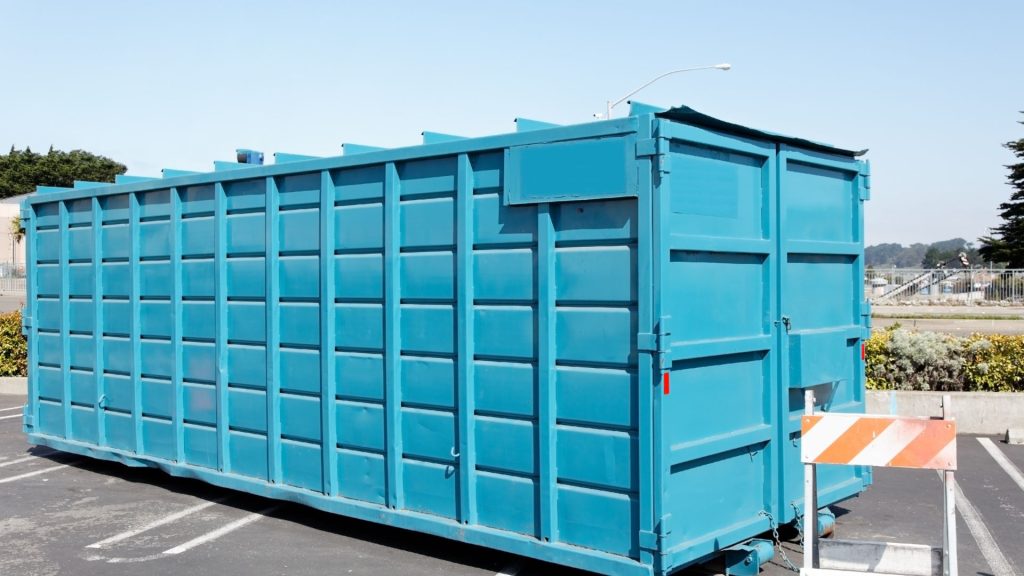
Besides size, accessibility is another consideration. The placement of the dumpster must allow for easy loading while ensuring that business operations continue without interruption. Delivery teams often work with business owners to identify the ideal location, factoring in space constraints, vehicle access, and safety regulations. Planning these logistics in advance ensures that the cleanup progresses efficiently, and the dumpster can be retrieved promptly when full, keeping the workflow uninterrupted and the property safe for employees and visitors.
Streamlining Waste Management with On-Site Dumpsters
Having an on-site dumpster transforms waste management into a streamlined process. Employees can immediately dispose of materials as they are generated, preventing accumulation in hallways, storage areas, or outdoor spaces. This proactive approach enhances safety, reduces the risk of accidents, and allows teams to focus on their primary responsibilities without being burdened by clutter. Businesses with multiple departments or large facilities particularly benefit from the convenience of a single collection point for all waste types.
The efficiency gained from on-site dumpsters also extends to labor savings. Staff no longer need to transport materials to distant disposal sites, freeing them to focus on essential operational tasks. Additionally, rental companies manage the removal and proper disposal of the collected waste, ensuring that projects progress without delays. By investing in professional dumpster services, businesses maintain a clean and productive environment, minimize interruptions, and reinforce a culture of organization and responsibility.
Understanding Local Regulations and Permits
Commercial cleanups often require awareness of local regulations and permits. Certain areas mandate specific procedures for disposing of construction debris, hazardous materials, or large volumes of waste. Professional dumpster rental companies are familiar with these requirements and can provide guidance to ensure compliance. This prevents potential fines, project delays, or legal complications while supporting environmentally responsible practices. Businesses benefit from this expertise, allowing them to focus on the cleanup rather than navigating complex regulatory landscapes.
Permits may also affect the placement of dumpsters, particularly in urban settings or areas with limited street access. Rental companies often coordinate with local authorities to secure necessary permissions, ensuring that dumpsters are positioned safely and legally. Understanding these regulations and incorporating them into cleanup planning avoids last-minute complications and guarantees a smooth disposal process. Businesses gain peace of mind knowing that their project adheres to all local standards, reinforcing both operational efficiency and community responsibility.
Cost Considerations and Budgeting
Renting a dumpster for a large-scale business cleanup involves thoughtful budgeting. Costs vary based on size, rental duration, and type of waste, making it essential to understand pricing structures before committing. Some companies offer flat rates for standard projects, while others adjust fees depending on disposal requirements or overage charges. Comparing quotes and understanding included services, such as delivery and pickup, ensures businesses select the most cost-effective option without compromising quality or convenience.
Budget planning also involves assessing internal labor and project timelines. Businesses that accurately estimate the amount of waste generated can avoid additional costs from extended rental periods or container exchanges. By combining size selection, rental duration, and waste type considerations, businesses achieve a cleanup strategy that is financially efficient. This proactive approach ensures that resources are allocated wisely, and cleanup operations proceed smoothly without unexpected expenses.
Scheduling Delivery and Pickup
Timing plays a critical role in the success of any dumpster rental project. Proper coordination of delivery and pickup with project milestones ensures that waste management keeps pace with business operations, avoiding unnecessary delays or interruptions. Businesses must carefully plan when a dumpster will arrive, taking into account workflow patterns, peak operational hours, and the estimated amount of waste to be generated. Flexible scheduling options offered by rental companies allow businesses to align container deliveries with specific project phases, whether for office renovations, construction projects, or seasonal cleanups. This careful planning reduces downtime and ensures that employees do not have to wait for waste removal services to continue their tasks, which can otherwise slow productivity and increase operational costs.
Equally important is the scheduling of dumpster pickup. Businesses must maintain clear communication with the rental provider to confirm the container’s readiness and ensure accessible pickup points. Many professional rental services offer on-demand or expedited pickups for urgent situations, as well as extended rental periods for ongoing projects. This flexibility allows businesses to adapt to shifting cleanup needs without compromising workflow. Strategic timing of both delivery and removal maximizes the dumpster’s utility, minimizes workplace clutter, and promotes a smooth, organized cleanup process. By integrating dumpster logistics into the overall project schedule, companies can maintain operational efficiency while managing waste in a timely, reliable, and professional manner.
Types of Waste and Special Considerations
Large-scale business cleanups often generate a variety of waste materials, each requiring careful consideration for safe and responsible disposal. Common types include construction debris, packaging materials, office furniture, and electronic waste, each of which may be subject to different handling protocols. Selecting a dumpster rental service that can accommodate diverse waste streams is essential to prevent contamination, ensure compliance, and facilitate proper recycling. Many businesses overlook that certain materials, such as electronics or metals, may need to be sorted separately and sent to specialized recycling facilities. By understanding the different types of waste involved in a cleanup, companies can plan ahead, avoid fines, and contribute to environmentally responsible practices.
Additionally, hazardous or regulated materials require special attention. Paint, chemicals, batteries, and other toxic substances cannot be discarded in standard dumpsters due to legal and environmental restrictions. Rental companies often provide guidance on proper separation, labeling, and disposal of these items to ensure compliance with local regulations. Planning around these considerations not only safeguards employee health but also minimizes the risk of environmental contamination. By working closely with experienced dumpster rental providers, businesses can maintain regulatory compliance, protect their workforce, and support sustainability initiatives. Proper waste management strategies contribute to a cleaner, safer, and more efficient workspace, demonstrating corporate responsibility and operational foresight.
Enhancing Safety During Cleanup
Maintaining safety during large-scale cleanups is a top priority for businesses of all sizes. Proper use and placement of dumpsters can significantly reduce workplace hazards by keeping walkways clear, preventing trips and falls, and limiting exposure to potentially dangerous debris. Containers should be positioned away from high-traffic areas, near accessible loading zones, and in locations that allow employees to safely move around without obstruction. Providing adequate signage and visual cues can further minimize the risk of accidents, ensuring that all staff are aware of container locations and potential hazards. Additionally, training employees in proper loading techniques, such as distributing weight evenly and avoiding overfilling, helps prevent strains, sprains, and other injuries.
Professional dumpster rental companies often offer guidance and best practices for maintaining safety throughout the cleanup process. This can include recommendations on personal protective equipment, proper handling of hazardous materials, and safe operational procedures for loading heavy or bulky items. By investing in both a high-quality dumpster service and a culture of safety, businesses protect their employees, reduce liability risks, and maintain compliance with workplace regulations. Prioritizing safety not only ensures a healthier environment but also streamlines cleanup operations, allowing projects to proceed efficiently without unnecessary interruptions caused by accidents or unsafe practices. Ultimately, safe, professional waste management supports operational success while reinforcing responsible workplace standards.
Environmental Responsibility and Recycling
Dumpster rentals offer an opportunity for businesses to manage waste responsibly. Many companies provide sorting options for recyclable materials, ensuring that paper, metal, plastics, and other recoverable items are diverted from landfills. Sustainable disposal practices align with corporate responsibility goals and may enhance public perception of the business as environmentally conscious.
Recycling initiatives also reduce disposal costs by minimizing the volume of waste sent to landfills. Businesses that incorporate environmentally responsible strategies into their cleanup plan demonstrate commitment to sustainability, regulatory compliance, and community stewardship. Partnering with knowledgeable rental services ensures that waste management processes are optimized for both efficiency and ecological impact, reinforcing a positive operational and environmental footprint.
Maximizing Efficiency and Productivity
Integrating dumpster rentals into business cleanup plans maximizes operational efficiency. Immediate waste disposal reduces delays, keeps work areas organized, and enables employees to focus on primary tasks. By reducing clutter and facilitating systematic disposal, businesses maintain momentum during large-scale projects, whether renovating, relocating, or conducting routine maintenance.
Efficiency gains also extend to resource management. Staff can concentrate on productive tasks rather than waste transport, and management can track project progress without disruptions caused by disorganized cleanup. A professional dumpster rental provides a structured framework for waste removal, supporting productivity, safety, and timely project completion, making it an indispensable tool for businesses facing large-scale cleanup demands.
CONCLUSION
Renting a dumpster for large-scale business cleanups is more than a convenience; it is a strategic decision that enhances efficiency, safety, and sustainability. Professional dumpster services provide the tools and expertise necessary to manage substantial waste volumes effectively, reducing labor costs, streamlining operations, and supporting compliance with local regulations. By selecting the right container size, understanding waste types, and coordinating delivery and pickup, businesses create an organized, productive, and safe environment that allows staff to focus on core operations. Proper planning, scheduling, and adherence to safety protocols further ensure a seamless cleanup process, reinforcing operational standards while promoting environmental responsibility.
For businesses in Redlands, CA seeking reliable dumpster rental services, Triple G Junk Removal and Demolition offers expert solutions tailored to commercial needs. They provide convenient delivery, flexible pickup schedules, and professional waste management guidance to simplify large-scale cleanups. Contact Triple G Junk Removal and Demolition at 909-528-5218 or via email at triplegjunk@outlook.com for efficient and dependable dumpster rental services that meet the demands of any business project.
