
When embarking on a heavy-duty residential project, accurately assessing the scale and scope of the work is essential. Renovations, remodeling, or extensive landscaping often generate enormous amounts of debris, from broken concrete and lumber to old fixtures and soil. Understanding the amount and type of waste you’ll produce helps you choose a dumpster that can handle both the volume and weight. Without careful planning, you risk overfilling a container or paying for multiple rentals, which can quickly inflate your project costs and slow down progress. Estimating waste involves considering all stages of the project, including demolition, construction, and cleanup, and factoring in the potential for unexpected debris.
In addition to volume, it’s important to think about the materials themselves. Certain items, such as electronics, paint, or appliances, may require special disposal methods to comply with local regulations. By identifying these items in advance, you can plan for separate removal and avoid fines or delays. Taking the time to thoroughly evaluate your project’s needs allows you to select the right dumpster size and type, streamlines the cleanup process, and ensures your residential project moves forward smoothly without interruption. Proper planning is the foundation for an efficient, stress-free waste management strategy.
Choosing the Right Dumpster Size
Selecting the right dumpster size is critical for any heavy-duty residential project. Dumpsters come in a variety of sizes, and choosing one that is too small may force multiple trips, while a container that is too large can be unnecessarily expensive. Assess the anticipated debris volume, consider the weight limits of each dumpster type, and choose a size that aligns with the intensity of your project. A well-chosen dumpster helps maintain a clean, organized worksite and prevents safety hazards caused by scattered debris.
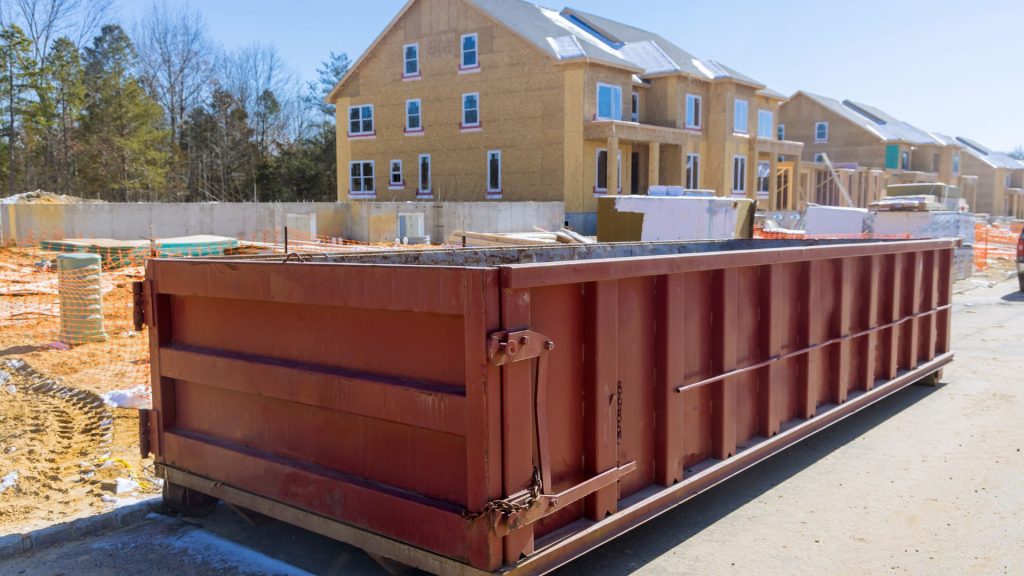
Weight is as important as volume. Some materials, like concrete, soil, or stone, are extremely heavy, which may limit the load your dumpster can safely carry. Renting a container with the correct weight capacity prevents damage to streets, driveways, and the dumpster itself. Consulting with rental companies about your specific project details allows you to select a container that balances size, weight, and cost efficiently. Making this decision carefully ensures that cleanup remains manageable and your project timeline stays on track, avoiding unnecessary complications.
Determining the Duration of Your Rental
Understanding the duration of your dumpster rental is a critical step in planning heavy-duty residential projects. Many home renovation projects, such as major kitchen remodels, basement overhauls, or extensive demolition work, produce more waste than anticipated. Selecting an appropriate rental period ensures that your dumpster is available throughout the project’s lifecycle, eliminating the need for repeated pickups or early removal. Misjudging the duration can result in interruptions, added fees, or the stress of coordinating multiple rentals. By estimating the volume and pace of debris generation, you can choose a rental period that aligns seamlessly with your work schedule and project milestones. This strategic approach keeps your cleanup efforts organized and prevents unnecessary delays.
Flexibility is another key factor to consider when determining rental duration. Residential projects often encounter unforeseen circumstances, such as material miscalculations, weather-related delays, or unexpected structural issues, which can extend the cleanup timeline. Choosing a rental provider who offers adaptable scheduling or easy extensions allows your project to proceed without the worry of running out of dumpster space. This flexibility ensures that your crew can focus on completing tasks efficiently and safely, rather than scrambling to manage overflowing debris. Thoughtful planning of your dumpster rental duration not only keeps your project on track but also enhances overall productivity, providing peace of mind throughout the renovation process.
Preparing Your Property for a Dumpster
Proper preparation of your property before dumpster delivery is essential for safety, efficiency, and minimizing potential damage. Start by selecting a flat, stable area that is easily accessible to the delivery truck. This ensures that the dumpster can be safely positioned without damaging your driveway, landscaping, or walkways. Clearing the area of vehicles, low-hanging branches, garden equipment, or other obstacles is necessary to avoid delays during delivery and pickup. A well-prepared site allows your workers to deposit debris efficiently, reducing the risk of accidents or injury. Proper placement also provides a centralized location for debris collection, keeping the work area organized and maintaining smooth workflow throughout your residential project.
Additionally, it’s important to consider municipal guidelines when planning dumpster placement. Some areas may require permits, especially if the container will be placed on a public street or sidewalk. Familiarizing yourself with these local rules prevents fines, delays, or the need for last-minute adjustments. By proactively preparing your property, you demonstrate responsibility and professionalism, making the cleanup process safer and more predictable. Thoughtful site preparation also communicates respect for neighbors and the surrounding community, ensuring that your heavy-duty residential project proceeds efficiently without unnecessary interruptions or conflicts.
Understanding Local Regulations and Permits
Compliance with local waste disposal regulations is a fundamental aspect of renting a dumpster for residential projects. Many municipalities have rules regarding the types of materials that can be disposed of in standard dumpsters, including restrictions on hazardous materials, electronics, or construction debris. Ignoring these regulations can result in costly fines or even the rejection of your waste at disposal sites. Consulting your rental provider and local authorities before scheduling delivery ensures that all materials are handled properly and that your project meets environmental and legal standards. Being informed about these rules allows for smooth disposal operations while promoting responsible and eco-friendly waste management.
Obtaining the necessary permits is equally important, particularly if your dumpster will be placed on public streets, sidewalks, or other regulated areas. Permit requirements can vary depending on local ordinances, so securing permissions in advance prevents project delays or legal complications. Early coordination with municipal offices or your rental company demonstrates foresight and professionalism, enabling your project to proceed according to schedule. Understanding regulations and acquiring proper permits also creates a safe environment for your crew and the community. By proactively addressing these legal and logistical considerations, you ensure that your residential project’s cleanup is conducted efficiently, safely, and in full compliance with local standards.
Planning for Heavy Materials
Handling heavy materials such as concrete, brick, soil, or other dense construction debris requires careful planning in residential projects. Dumpsters come with weight limits, and exceeding these limits can lead to extra fees, potential damage to the container, or even safety hazards for delivery personnel and your crew. To avoid these complications, it’s important to estimate both the volume and weight of materials before selecting a dumpster. Choosing a container specifically designed to handle heavier loads ensures that your project remains efficient and safe. This foresight can prevent costly surprises and allows for better budgeting of both time and resources, keeping your project on track.
In addition to selecting the right dumpster, strategic loading of materials within the container is critical. Heavier items should be placed at the bottom to maintain stability, while lighter debris can be layered on top. This method prevents spillage, reduces the risk of the dumpster tipping, and maximizes available capacity. Planning for heavy materials also involves considering how and when materials are brought to the site, ensuring that your team can maintain a steady workflow without unnecessary interruptions. By organizing your approach, you create a safer and more efficient cleanup process, ultimately allowing your residential project to progress smoothly and cost-effectively.
Scheduling Delivery and Pickup
Proper scheduling of dumpster delivery and pickup is essential for maintaining efficiency in a heavy-duty residential project. Coordinating delivery to coincide with when your property is fully prepared ensures a smooth placement process and prevents delays caused by obstacles or unprepared spaces. A well-timed delivery eliminates downtime, allowing your team to begin work immediately without having to wait for waste removal solutions. This coordination is especially important for projects that generate debris quickly, such as major renovations or demolition work, where timely waste management is crucial to keeping the project on schedule.
Equally important is planning for pickup once the project concludes. Prompt removal of the dumpster prevents obstruction of driveways, walkways, or work areas, allowing your property to return to normal use. Working with a reliable rental provider who offers flexible scheduling options provides the ability to adjust pickup times if the project extends or encounters unexpected delays. Efficient delivery and pickup not only reduce stress and interruptions but also maintain an organized and safe work environment. Thoughtful scheduling ensures a seamless experience from start to finish, keeping your residential project on track and maintaining momentum for your team.
anaging Project Debris Efficiently
Efficient management of debris is a critical aspect of keeping a residential project organized, safe, and cost-effective. Separating waste by material type—such as wood, metal, concrete, or general construction debris—not only facilitates recycling but also allows you to maximize dumpster space. Organized loading helps prevent multiple containers from being needed, which reduces costs and keeps your cleanup process more manageable. This methodical approach can also improve workflow on the site, as workers spend less time handling waste and more time focused on productive construction tasks.
Accessibility and structured placement of debris are additional factors that improve efficiency. Filling the dumpster evenly prevents overflow, reduces the risk of accidents, and ensures that materials are easy to manage during removal. When debris is placed thoughtfully, workers can navigate the site safely and reduce the likelihood of injuries or damage to materials. Developing a systematic approach to debris management transforms what might otherwise be a chaotic and time-consuming task into a streamlined process. This organized strategy ultimately enhances safety, minimizes costs, and ensures that your residential project progresses smoothly from start to finish.
Evaluating Costs and Budgeting
Understanding the costs associated with dumpster rental is essential for heavy-duty residential projects. Rental prices vary based on size, weight limits, rental duration, and any additional services required. Budgeting for the dumpster early in your project plan ensures there are no financial surprises and helps you allocate resources efficiently. Comparing providers and service options allows you to find the best balance between cost and convenience.
Additional fees can arise from overweight loads, extended rental periods, or prohibited items. Being aware of potential extra costs prevents unexpected charges and helps maintain your project budget. Careful evaluation of all expenses, along with transparent communication with your rental provider, ensures that your cleanup plan is both financially sound and operationally efficient.
Ensuring Safety During Dumpster Use
Safety is paramount when using dumpsters on heavy-duty residential projects. Proper placement, weight distribution, and careful loading practices prevent accidents and protect your crew and property. Ensuring that the area around the dumpster remains clear reduces the risk of trips, falls, or damage to vehicles and landscaping.
Equally important is using personal protective equipment when handling debris. Gloves, sturdy footwear, and appropriate clothing minimize injuries from sharp or heavy materials. Educating your team on safe loading techniques and monitoring the worksite throughout the project maintains a secure environment. Prioritizing safety ensures that your cleanup process proceeds without incidents, protecting both people and property.
Conclusion
Renting a dumpster for heavy-duty residential projects in Redlands, CA is a strategic decision that simplifies debris management, improves efficiency, and maintains a safe work environment. Careful evaluation of your project needs, thoughtful selection of dumpster size, and proactive planning for permits, delivery, and heavy materials all contribute to a smooth and cost-effective process. These steps allow residential projects to progress without the stress of disorganized debris, unexpected fees, or safety hazards, creating a cleaner and more productive worksite.
Triple G Junk Removal and Demolition, based in Redlands, CA, provides reliable and professional dumpster rental services tailored to meet the needs of residential projects of all sizes. Their team can help you determine the right container, schedule delivery and pickup, and ensure compliance with local regulations, making your heavy-duty cleanup hassle-free. Contact Triple G Junk Removal and Demolition at 909-528-5218 or email triplegjunk@outlook.com to streamline your next residential project and experience efficient, professional waste management solutions.
