
Handling construction debris effectively begins with a clear plan. Understanding the volume and type of waste your project will generate is essential before arranging a dumpster rental. Concrete, drywall, lumber, and metals all require specific disposal considerations, and planning ahead ensures that no materials end up improperly discarded. By analyzing the project scope, you can determine the size and number of dumpsters needed, reducing surprises during the cleanup phase. Proper planning also allows for efficient placement of dumpsters on the site, keeping pathways clear and maintaining a safe working environment. Prioritizing organization in the early stages of debris management saves time, money, and effort later, especially when working on tight deadlines or complex projects.
Additionally, planning your debris disposal involves coordinating with your rental service for timely pickups and drop-offs. Scheduling the delivery of the dumpster to coincide with the peak periods of waste generation ensures continuous workflow without delays. This proactive approach also helps avoid excess costs caused by overfilling dumpsters or requiring multiple pickups. Furthermore, understanding local regulations regarding construction waste disposal prevents fines or penalties, making the cleanup process smoother and legally compliant. By integrating debris management into your project plan, you create a safer, more organized site while promoting sustainability through responsible disposal practices.
Choosing the Right Dumpster Size
Selecting the appropriate dumpster size is a critical step in efficient debris management. Dumpsters come in various capacities, and choosing one that matches your project’s scale prevents overflow and reduces extra rental charges. For minor renovations, a smaller dumpster may suffice, while large demolition projects demand heavy-duty containers capable of handling bulky and dense materials. Estimating the weight and volume of debris ensures you select a size that accommodates both, keeping the worksite safe and organized. Oversized dumpsters may be unnecessary and costly, whereas undersized containers can lead to frequent pickups, interrupting workflow and increasing overall expenses.
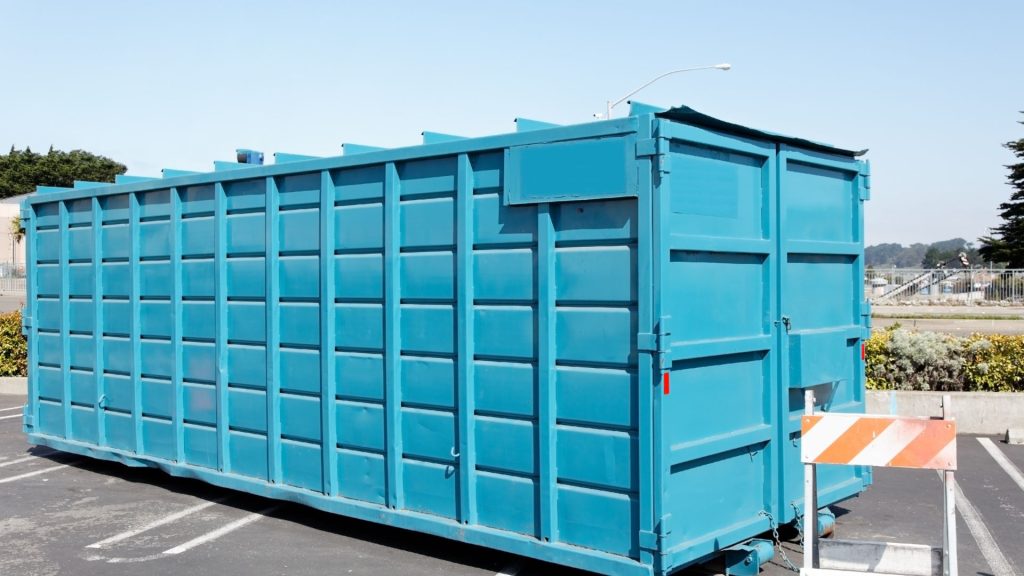
Assessing your dumpster needs also involves considering access and placement on the construction site. The chosen container should fit within the designated area without blocking essential pathways or utilities. Ground conditions and proximity to the loading zone play a role in ensuring efficient and safe loading. Consulting with the dumpster rental company can provide insights into which size best suits your debris type and project scope. By carefully evaluating these factors, you ensure that your debris removal process is smooth, cost-effective, and minimally disruptive, allowing the construction team to focus on their tasks rather than waste management.
Organizing Debris for Efficient Loading
Proper organization of construction debris can greatly enhance the efficiency of dumpster usage. Separating materials into categories such as wood, metal, concrete, and general waste not only facilitates recycling but also prevents overloading. Layering heavier materials at the bottom and lighter items on top ensures the dumpster maintains stability during transport. Taking a systematic approach to loading reduces the risk of accidents, minimizes the need for double handling, and maximizes available space. Clear labeling and designated loading zones on the site can further streamline the process, saving time and keeping workers safe.
Organizing debris also encourages environmentally responsible disposal. Sorting materials that can be recycled or reused helps reduce landfill contributions while adhering to local regulations. It enables construction teams to make informed decisions about which materials should go into the dumpster and which can be repurposed. Consistently applying organization strategies across projects builds a culture of efficiency, safety, and sustainability. This approach ensures that every trip to the dumpster contributes to a well-structured, manageable, and cleaner worksite.
Scheduling Dumpster Delivery and Pickup
Timing plays a crucial role in construction debris management. Scheduling dumpster delivery to coincide with project milestones prevents interruptions and keeps the site safe and functional. Early planning allows for proper placement, reducing the risk of obstructing pathways or causing delays in the workflow. Coordinating with the rental company for timely pickup ensures the debris does not accumulate beyond safe limits. This proactive scheduling approach enhances productivity, allowing construction teams to focus on their tasks without distraction or unnecessary trips to local disposal sites.
Pickup schedules also impact cost efficiency and site safety. Extended rental periods may result in additional fees, while delayed pickups can lead to overcrowding and hazardous conditions. Establishing a clear timetable ensures that the container is available when needed and removed promptly after use. Communicating anticipated debris volumes and project timelines with the rental company helps tailor the service to meet specific requirements. Efficient scheduling creates a seamless process where waste is managed responsibly, ensuring continuous progress and reducing the potential for project setbacks.
Ensuring Safety During Debris Handling
Safety is paramount when managing construction debris, as the materials involved are often heavy, sharp, or irregularly shaped, creating significant hazards on site. Workers must consistently wear protective gear, including gloves, steel-toed boots, helmets, and eye protection, to minimize the risk of injuries. Using the right tools, such as wheelbarrows, dollies, or lifting straps, reduces physical strain and ensures that debris is moved efficiently. Clear pathways, properly maintained walkways, and organized storage areas prevent tripping or collisions, which are common causes of site accidents. Establishing and enforcing safety protocols ensures that loading debris into dumpsters is carried out in an orderly, secure manner while maintaining compliance with occupational safety regulations.
Training staff on safe handling techniques further reinforces workplace safety and improves operational efficiency. Guidelines on lifting, stacking, and disposing of materials reduce the likelihood of musculoskeletal injuries and help protect both workers and equipment, including the dumpsters themselves. Encouraging a culture of safety, where employees feel responsible for adhering to best practices, can also prevent rushed or careless handling that might lead to accidents. When safety is prioritized, the team can maintain a consistent workflow, meet project timelines, and manage debris responsibly. Overall, proper precautions and continuous safety education ensure that debris management supports project productivity rather than creating additional risks.
Understanding Local Waste Regulations
Compliance with local waste regulations is critical to avoid fines, legal issues, and project delays. Municipal codes often dictate which materials can be disposed of in landfills, which must be recycled, and which require special handling due to environmental or safety concerns. Failing to follow these rules can result in costly penalties, halted construction work, or reputational damage. By understanding the relevant regulations, construction teams can develop waste management strategies that align with both local laws and sustainability goals. Proper planning ensures that hazardous materials, such as paints, solvents, or asbestos-containing products, are handled safely and disposed of in a way that minimizes environmental impact.
Working with a knowledgeable dumpster rental service also supports regulatory compliance. Reputable companies often provide guidance on the types of materials allowed in each container and advise on recycling or special disposal procedures. This reduces the risk of inadvertently mixing prohibited items with general construction waste. Ensuring that all debris management practices meet local requirements not only protects the business legally but also enhances public safety and environmental stewardship. Staying informed and proactive regarding municipal waste rules allows construction projects to progress without unnecessary interruptions, demonstrating professionalism and responsible management to clients, regulators, and the broader community.
Maximizing Space in Your Dumpster
Efficient use of dumpster space is essential for controlling costs and streamlining debris removal. Strategically organizing materials by size and weight allows more debris to fit securely, minimizing empty spaces and reducing the number of trips required. Heavy items should be placed at the bottom to provide a stable base, with medium and lighter materials layered above. Compacting debris, when safe, further increases volume capacity, allowing teams to maximize the dumpster’s potential without compromising safety. Thoughtful planning of the loading process ensures that the container remains balanced, reducing the risk of accidents during transport.
Properly maximizing space also benefits overall site safety and workflow efficiency. Overfilled dumpsters can result in debris spilling onto the ground, creating tripping hazards, and potential fines if the container extends beyond legal load limits. By approaching loading with organization and care, construction teams maintain a clean, orderly site that supports productivity and minimizes disruptions. Efficient use of dumpster space demonstrates professionalism, reduces rental and transport costs, and contributes to a smoother debris management process. Ultimately, careful planning and attention to detail when filling dumpsters optimize both safety and cost-effectiveness for construction projects.
Handling Heavy and Bulky Materials
Large-scale construction projects frequently generate heavy or bulky debris such as concrete slabs, metal beams, or oversized wooden panels. These items require careful handling to prevent injuries and avoid damage to equipment. Using mechanical aids, including forklifts, cranes, or hoists, in combination with team coordination, ensures that large debris is loaded safely into dumpsters. Recognizing and adhering to weight limits prevents overloading, which can compromise container integrity and lead to additional fees. Applying proper lifting techniques, such as bending at the knees and keeping loads close to the body, reduces strain and protects workers from injury.
Strategic placement of bulky materials within the dumpster is equally important to maintain stability during transport. Heavier items should be evenly distributed to avoid tipping, while lighter materials can fill remaining spaces to prevent movement. Access routes, ground conditions, and weather should be considered when moving and loading heavy items to minimize the risk of slips, trips, or equipment accidents. Careful planning and adherence to safety practices allow for the efficient disposal of large debris without interrupting the project timeline. By prioritizing proper handling and organization, construction teams can maintain a safe environment, protect equipment, and ensure compliance with both safety and rental requirements.
Reducing Environmental Impact
Construction debris disposal has environmental implications that should be considered. Renting a dumpster with recycling options helps divert materials from landfills, including metals, concrete, and wood. Sorting recyclable materials not only benefits the environment but can also lower disposal costs and demonstrate responsible project management. Choosing services that prioritize eco-friendly practices ensures that your construction project contributes to sustainable waste management practices.
Additionally, minimizing environmental impact involves careful planning of debris handling and disposal. Avoiding illegal dumping and excessive transport reduces carbon emissions and aligns with community standards. Proper disposal techniques protect local ecosystems while fostering a culture of environmental responsibility among workers. By integrating these practices, construction projects can balance productivity with sustainability, ensuring that debris management supports both operational efficiency and ecological awareness.
Maintaining Continuous Workflow
A well-planned debris management strategy supports uninterrupted construction progress. When dumpsters are properly sized, placed, and maintained, workers can focus on their tasks without the constant distraction of cluttered workspaces. Continuous workflow reduces project delays and enhances overall efficiency, allowing timelines to be met more reliably. Anticipating debris needs in advance prevents bottlenecks and keeps the site organized throughout the construction process.
Continuous workflow also benefits team morale and safety. A clear, clutter-free environment reduces accidents and provides space for equipment and materials to be handled efficiently. Coordinating dumpster pickups with project milestones ensures that waste is removed promptly, maintaining momentum and preventing backlogs. Prioritizing seamless debris management creates a productive work environment where construction objectives can be achieved with minimal disruption, keeping both safety and efficiency at the forefront.
CONCLUSION
Effectively managing large construction debris requires careful planning, organization, and the right dumpster rental services. From selecting the appropriate size and scheduling timely deliveries to organizing materials and adhering to safety protocols, each step contributes to a safer, more efficient construction site. When properly executed, dumpster rentals streamline cleanup, reduce environmental impact, and allow construction teams to focus on completing their projects without unnecessary delays or hazards. Emphasizing responsible debris management enhances both project performance and compliance with local regulations, promoting a professional and productive workflow.
For property owners and contractors in Redlands, CA seeking reliable support for debris disposal, Triple G Junk Removal and Demolition offers comprehensive solutions tailored to construction needs. Their services ensure that all types of construction waste are handled efficiently and responsibly, with timely pickups and flexible dumpster options. For inquiries, contact Triple G Junk Removal and Demolition at 909-528-5218 or via email at triplegjunk@outlook.com. By leveraging expert assistance, your construction site remains organized, compliant, and safe, allowing teams to maintain focus on successful project completion.
