
Choosing the perfect dumpster size for a home cleanout isn’t just about space—it’s about strategy. Every cleanout project carries its own personality, from the cluttered attic waiting to breathe again to the garage packed with memories and forgotten tools. Finding that balance between too small and too large can transform the entire cleanup process into something smooth, efficient, and surprisingly satisfying. The right dumpster makes decluttering not only manageable but empowering.
Many homeowners underestimate how much debris piles up once the cleanup begins. Furniture, old boxes, construction scraps—everything adds up faster than expected. Understanding how dumpsters are sized, what fits best for specific projects, and how to plan for overflow are key factors. A well-chosen dumpster isn’t an afterthought; it’s the foundation for a stress-free project.
Understanding Dumpster Sizes and Capacities
When considering a dumpster rental, understanding the size and capacity of available dumpsters is essential for effective planning. Dumpsters are measured in cubic yards, which quantify the total volume they can accommodate. While a number like ten or thirty cubic yards might seem abstract on paper, visualizing the actual space can clarify your choice. For instance, a ten-cubic-yard dumpster is ideal for smaller projects, such as clearing out a single room, removing old furniture, or handling a minor landscaping cleanup. On the other hand, a thirty-cubic-yard dumpster can easily handle major renovations or full-home cleanouts, accommodating everything from demolition debris to bulky furniture and appliances. Recognizing what each size can physically contain prevents unnecessary stress and ensures the right fit for your project.
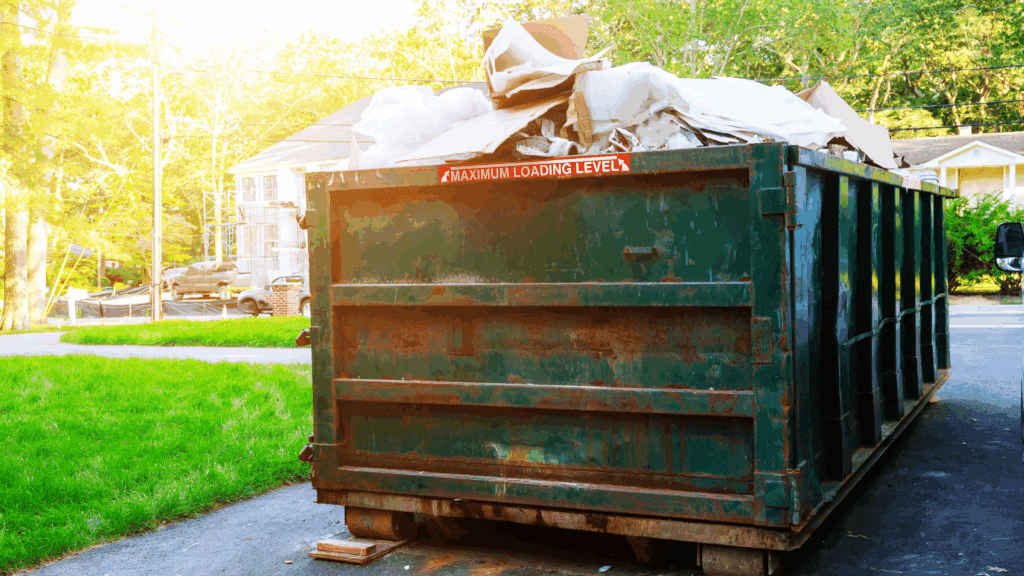
Beyond volume, the selection of dumpster sizes allows for greater flexibility in project management. Smaller dumpsters are perfect for quick weekend cleanups or targeted room projects, keeping the work area manageable and reducing costs associated with overpaying for unused space. Larger dumpsters, while more expensive, provide the ability to consolidate all waste in one container, reducing the need for multiple trips and avoiding disruptions in workflow. Knowing your project’s scope and matching it with the appropriate dumpster size helps save both time and money while keeping the cleanup process organized and efficient. The more accurately you assess your needs, the smoother your disposal experience will be from start to finish.
Assessing the Scale of Your Cleanout
Before renting a dumpster, it’s critical to assess the scale of your cleanout to ensure you choose the right container and plan effectively. Start by surveying the areas you intend to clear, taking note of cluttered corners, storage spaces, and rooms with accumulated items. Common debris includes old appliances, broken furniture, outdated décor, and boxes of forgotten items, all of which can collectively create a substantial volume of waste. By understanding the specific areas that require attention, you can estimate whether a single small dumpster will suffice or if a larger container is necessary. This assessment prevents unexpected shortages of space and helps maintain a smooth workflow during your cleanup.
Considering the scale of your project also influences the rental duration and overall cost. Smaller, focused cleanouts often require only a short-term dumpster rental, while large-scale home renovations or extensive decluttering efforts may necessitate keeping the container for a longer period. Additionally, knowing the scope of your cleanout allows for better planning regarding waste type and weight, which can affect dumpster selection. By evaluating the scale and potential duration of your project ahead of time, you minimize the risk of running out of space or encountering delays, ensuring your cleanup remains efficient, cost-effective, and manageable from beginning to end.
Estimating the Weight of Your Waste
Not all debris carries the same weight, and this factor plays a major role in dumpster selection. Lightweight materials, such as old clothing, paper, or small household items, may require a larger volume but still fall well within the dumpster’s weight limits. In contrast, construction materials, including torn-out flooring, bricks, concrete, or roofing shingles, are much denser and can quickly exceed weight restrictions even in smaller volumes. Overloading a dumpster not only risks additional fees but can also create logistical problems during pickup. Accurate weight estimation ensures that the container chosen can handle both the volume and heaviness of the waste without any surprises.
Understanding the composition of your debris also helps prevent project delays and extra costs. For example, a kitchen remodel may produce heavier items like countertops or cabinets, while a bedroom purge might mainly involve lighter objects. By considering both weight and type of waste, you can select a dumpster that balances capacity and weight limits, allowing for smooth disposal. Taking the time to estimate the load beforehand ensures your rental experience remains hassle-free, avoids unnecessary overage charges, and guarantees that your cleanup proceeds without interruption. Proper planning for weight ultimately results in a safer, more efficient, and cost-effective waste management process.
Matching Dumpster Sizes to Room Types
Different rooms in a home generate distinct types of waste, and selecting the right dumpster depends on understanding these variations. Bedrooms or offices typically produce lighter debris, such as paper, clothing, small furniture, or décor items. Kitchens, garages, and basements, on the other hand, often yield heavier and bulkier waste, including appliances, cabinets, or renovation materials. By considering the type of room you’re cleaning out, you can choose a dumpster size that fits both the volume and the weight of the debris, optimizing space and making the loading process more efficient.
When undertaking a full-home cleanout, combining multiple rooms in a single dumpster can be convenient, but it’s still wise to identify which areas will contribute the most waste. Larger dumpsters are best for projects spanning several rooms or for handling dense, heavy materials, while smaller dumpsters are ideal for selective cleanouts or light clutter removal. Properly matching dumpster size to room type minimizes the risk of overfilling, reduces extra trips, and allows for a more organized workflow. This strategic approach ensures that each room’s waste is managed effectively, keeping your project on schedule and within budget.
Considering Driveway and Placement Space
Even the most appropriately sized dumpster can become a problem if there isn’t enough space to place it safely and conveniently. Driveways, narrow streets, and overhead obstacles can all affect where a dumpster can be situated, so measuring available space beforehand is critical. Consider the dimensions of the dumpster and account for clearance around the container, ensuring that vehicles, pedestrians, and property access aren’t obstructed during loading and pickup. Proper placement avoids accidents and reduces the risk of property damage.
For homes with limited or uneven driveway space, smaller dumpsters offer flexibility and easier maneuvering. They can fit into tighter areas without blocking access, and their reduced footprint minimizes the impact on surrounding areas. Placement considerations also enhance safety, giving users sufficient room to load debris without strain or risk of injury. Taking the time to evaluate your driveway and placement space before renting allows for a smoother, safer, and more efficient cleanup process, ensuring that your dumpster serves its purpose without creating additional challenges.
Factoring in Waste Restrictions
Not all types of waste are allowed in dumpsters, and understanding these restrictions is essential to avoid unexpected costs or legal complications. Many waste management services prohibit hazardous materials, including paint, motor oil, chemicals, batteries, and electronic devices. Attempting to dispose of restricted items in a dumpster can result in fines, delays, or even refusal of pickup. Planning ahead means identifying these materials and setting them aside for proper disposal through recycling centers, hazardous waste facilities, or specialized drop-off programs. Being proactive not only keeps your project on track but also protects the environment and ensures compliance with local laws.
Separating restricted materials early in the cleanup process also maximizes the efficiency of your dumpster space. Items such as furniture, drywall, wood, and yard debris can quickly consume a container’s volume, so ensuring that prohibited waste is excluded means every cubic yard is used effectively. Additionally, following city or municipal guidelines for disposal demonstrates responsibility and environmental awareness. By organizing your waste properly from the start, you reduce the risk of contamination, prevent added fees, and make the loading and unloading process faster and safer. A little planning upfront goes a long way toward a smoother, compliant, and eco-friendly cleanup.
Comparing Short-Term and Long-Term Rental Needs
The length of time you’ll need a dumpster significantly influences both the size you select and the overall cost of your rental. Short-term projects, like weekend cleanouts or minor decluttering tasks, often only require a small container for a few days. In contrast, larger endeavors such as home renovations, construction, or estate cleanouts may benefit from a larger dumpster that remains on-site for several weeks. Matching rental duration to project size ensures that your cleanup proceeds efficiently without interruptions or extra trips, and it helps you budget accurately for the entire duration of your project.
Considering your schedule realistically also prevents unnecessary stress. A short-term rental may seem more cost-effective at first, but frequent pickups to empty a small container can add up quickly in both time and money. Longer-term rentals provide flexibility, allowing you to work at a comfortable pace and manage debris removal without feeling rushed. By evaluating the scope of your cleanup and estimating the amount of waste you’ll generate, you can choose a dumpster rental that aligns with your timeline. This approach ensures that your project stays organized, reduces surprises, and supports a smooth workflow from start to finish.
Balancing Budget with Dumpster Size
Staying within budget is important, but choosing a dumpster based solely on the lowest price can backfire. A container that is too small often requires multiple trips or exchanges, increasing both labor and transportation costs. Conversely, a dumpster that is excessively large may leave much of its capacity unused, effectively wasting money. Finding the right balance between cost and size ensures that you’re paying for a container that meets your needs efficiently, without unnecessary extra expenses. Carefully evaluating the scope of your project, the types of debris you’ll generate, and the dumpster’s capacity helps identify the ideal option.
It’s helpful to think of a dumpster rental as an investment in efficiency rather than a simple expense. Paying slightly more for the appropriately sized container often saves time, effort, and money over the long run. Using the right size dumpster reduces the need for repeat trips, minimizes loading challenges, and ensures your project stays on schedule. By comparing options and aligning them with both your budget and project requirements, you can achieve the perfect balance of convenience and affordability. Ultimately, thoughtful planning allows your rental to deliver maximum value, making your cleanup smoother, faster, and more cost-effective from start to finish.
Preparing Your Waste Before Disposal
Organizing your debris before tossing it into the dumpster makes everything more efficient. Sorting recyclable materials, compacting bulky items, and breaking down furniture can maximize space inside the container. Proper preparation helps you fit more waste without exceeding the weight limit.
Taking time to plan where each item will go also speeds up your work. When the dumpster arrives, you’ll already have a system in place for loading it evenly and safely. Organized disposal not only makes cleanup faster but also keeps your surroundings neat and manageable.
Avoiding Common Mistakes in Dumpster Selection
One of the biggest missteps homeowners make is underestimating how much waste their project will create. Choosing a smaller dumpster to save money often leads to overfilling or the need for extra pickups. Another mistake is selecting a size without considering the weight of materials, which can result in additional charges.
Taking time to evaluate both space and weight helps avoid these issues. Think beyond volume and visualize the materials you’ll actually dispose of. A bit of planning prevents complications and ensures your dumpster rental truly supports your cleanout goals instead of complicating them.
Conclusion
Choosing the right dumpster size transforms a stressful home cleanout into a smooth, well-organized experience. The right container saves time, reduces costs, and simplifies every part of the process—from loading debris to final pickup. When you understand your waste type, project scale, and available space, it’s easier to select a dumpster that fits perfectly. A thoughtful choice allows your project to flow naturally without interruption or unnecessary clutter.
For dependable service and the right dumpster to match your specific home cleanout needs, contact Triple G Junk Removal and Demolition. Based in Redlands, CA, they provide efficient, professional dumpster rental solutions that make cleanup easier from start to finish. Reach out today at 909-528-5218 or email triplegjunk@outlook.com to schedule your rental and experience hassle-free home waste removal designed for comfort and convenience.
